
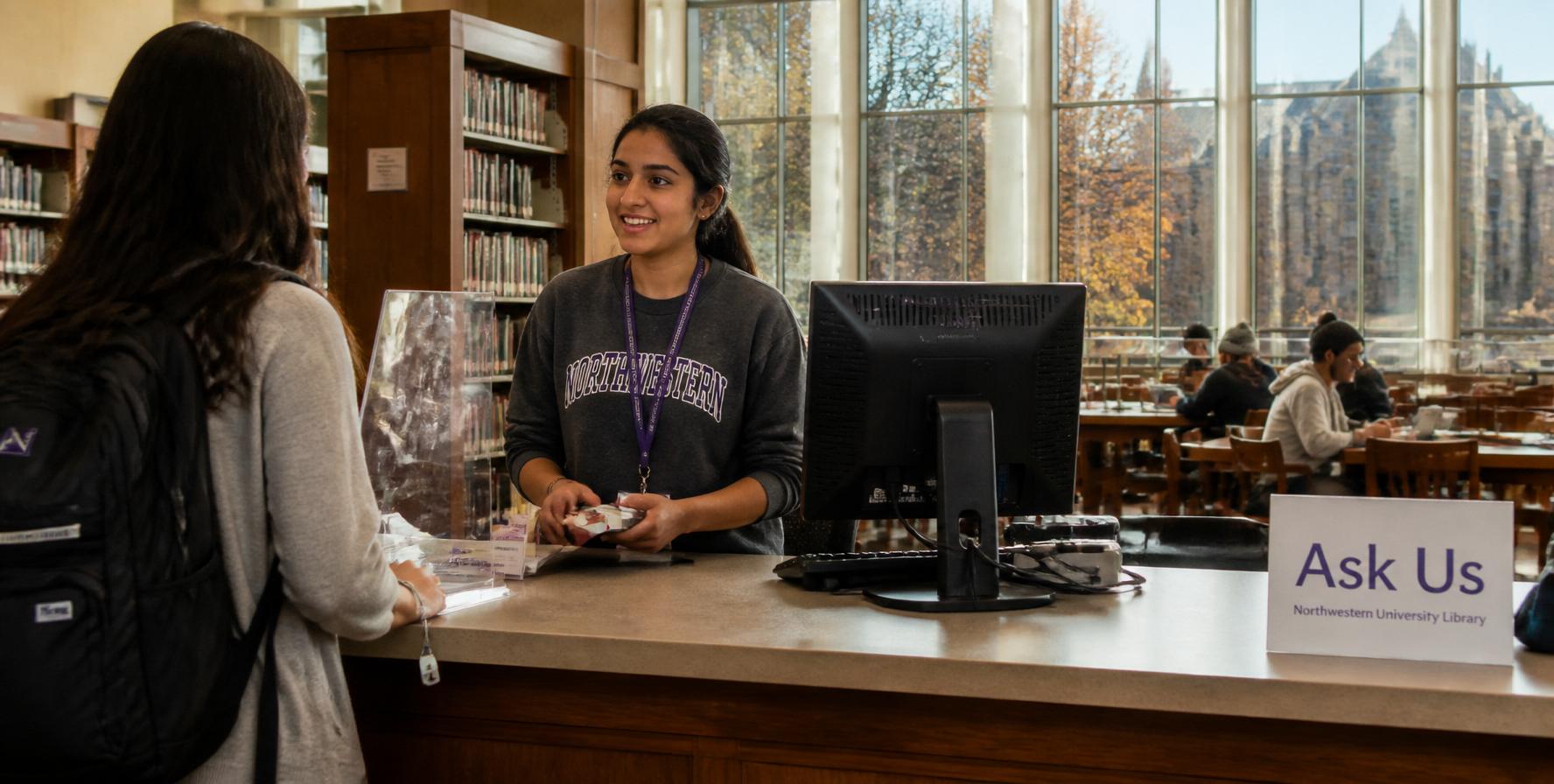
Part-time work is one of the most common questions Indian students ask before choosing the USA. Many students want to know if they can work, how many hours are allowed, what jobs are available, and whether part-time income can help manage living expenses.
The answer is simple: F-1 students can work, but only under specific immigration rules. Working without proper authorization can affect your student status and future immigration opportunities.
This guide explains part-time jobs in the USA for international students, including F-1 work rules, common student jobs, and practical preparation before you arrive.
The answer is simple: F-1 students can work, but only under specific immigration rules. Working without proper authorization can affect your student status and future immigration opportunities.
This guide explains part-time jobs in the USA for international students, including F-1 work rules, common student jobs, and practical preparation before you arrive.
Can F-1 Students Work Part Time in the USA?
Yes, but only under approved work authorization. Eligible F-1 students may work through:
• On-campus employment
• Curricular Practical Training (CPT)
• Optional Practical Training (OPT)
• STEM OPT Extension (for eligible students)
• Limited off-campus employment with USCIS authorization, where applicable
Always speak with your Designated School Official (DSO) before accepting any job. Never assume a job is authorized without official approval.
• On-campus employment
• Curricular Practical Training (CPT)
• Optional Practical Training (OPT)
• STEM OPT Extension (for eligible students)
• Limited off-campus employment with USCIS authorization, where applicable
Always speak with your Designated School Official (DSO) before accepting any job. Never assume a job is authorized without official approval.
On-Campus Work Rules
On-campus employment is usually the first work option available to F-1 students.
| Rule | Practical Meaning |
|---|---|
| Work Hours | Up to 20 hours per week during classes |
| Semester Breaks | Full-time work may be allowed during approved breaks |
| Work Location | Usually on campus or an approved affiliated location |
| DSO Guidance | Consult your DSO before starting work |
| Social Security Number | Required for students who work in the USA |
On-campus jobs help students earn extra income while gaining valuable workplace experience and communication skills.
What Counts as On-Campus Employment?
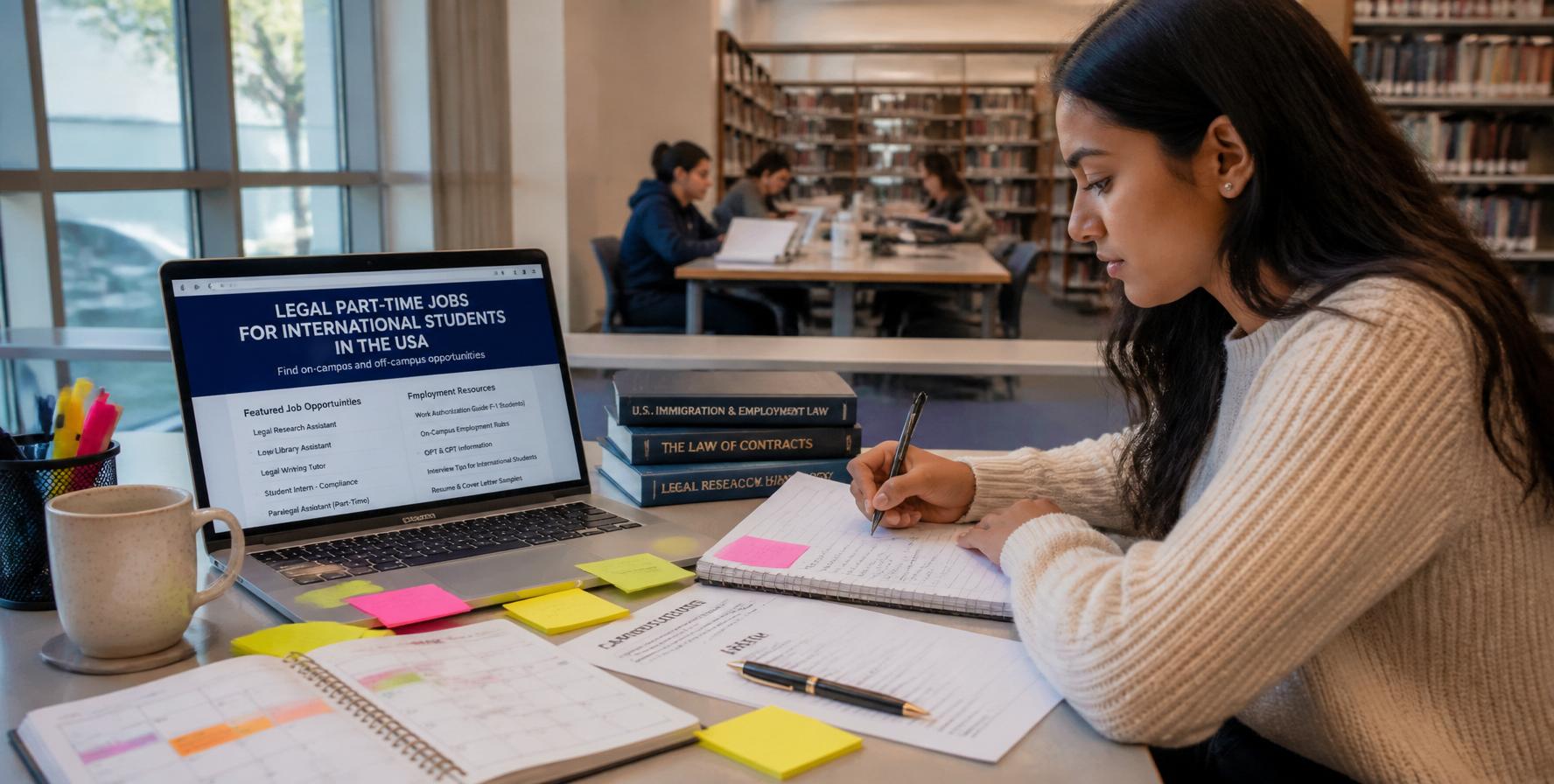
On-campus employment is often the first work opportunity available to F-1 students. These jobs are usually offered by the university or by organizations that provide services directly to students.
Common on-campus jobs include:
• Library Assistant
• Cafeteria or Dining Hall Staff
• Campus Bookstore Assistant
• Teaching Assistant (TA)
• Research Assistant (RA)
• Lab Assistant
• IT Help Desk
• Administrative Assistant
• Student Ambassador or Orientation Leader
• Campus Recreation or Residence Hall Staff
Not every job located on campus automatically qualifies as on-campus employment. Eligibility depends on the employer and your F-1 status. Before accepting any job, always confirm with your Designated School Official (DSO) to ensure it complies with immigration rules.
Common on-campus jobs include:
• Library Assistant
• Cafeteria or Dining Hall Staff
• Campus Bookstore Assistant
• Teaching Assistant (TA)
• Research Assistant (RA)
• Lab Assistant
• IT Help Desk
• Administrative Assistant
• Student Ambassador or Orientation Leader
• Campus Recreation or Residence Hall Staff
Not every job located on campus automatically qualifies as on-campus employment. Eligibility depends on the employer and your F-1 status. Before accepting any job, always confirm with your Designated School Official (DSO) to ensure it complies with immigration rules.
Off-Campus Work Is Not Automatic
Many students assume they can work anywhere after arriving in the USA, but that is not true for F-1 visa holders. Off-campus employment is allowed only under specific work authorization programs, such as:
• Curricular Practical Training (CPT)
• Optional Practical Training (OPT)
• Severe Economic Hardship authorization
• Other approved USCIS programs
Students should never start working in restaurants, retail stores, delivery services, freelance projects, or online jobs without proper authorization. Unauthorized employment can lead to serious immigration consequences, including loss of F-1 status. If you are unsure whether a job is permitted, always speak with your DSO before accepting the offer.
• Curricular Practical Training (CPT)
• Optional Practical Training (OPT)
• Severe Economic Hardship authorization
• Other approved USCIS programs
Students should never start working in restaurants, retail stores, delivery services, freelance projects, or online jobs without proper authorization. Unauthorized employment can lead to serious immigration consequences, including loss of F-1 status. If you are unsure whether a job is permitted, always speak with your DSO before accepting the offer.
CPT for Internships During Study
Curricular Practical Training (CPT) allows eligible F-1 students to gain practical work experience while studying when the training is an approved part of their academic program.
Key points to remember:
• CPT must be directly related to your major.
• It must be part of your course curriculum.
• Authorization is provided by your DSO.
• CPT may be part-time or full-time.
• Students must receive approval before starting work.
• One year or more of full-time CPT may affect future OPT eligibility.
CPT is designed for internships, cooperative education, and practical training—not for general part-time employment.
Key points to remember:
• CPT must be directly related to your major.
• It must be part of your course curriculum.
• Authorization is provided by your DSO.
• CPT may be part-time or full-time.
• Students must receive approval before starting work.
• One year or more of full-time CPT may affect future OPT eligibility.
CPT is designed for internships, cooperative education, and practical training—not for general part-time employment.
OPT After Graduation
Optional Practical Training (OPT) allows eligible F-1 students to work in positions directly related to their field of study before or after completing their degree. Students may apply for:
• Pre-completion OPT during studies
• Post-completion OPT after graduation
• STEM OPT Extension for eligible STEM graduates
OPT requires approval from USCIS, and students can begin working only after receiving their Employment Authorization Document (EAD). Understanding OPT early helps students plan internships, graduate job applications, and long-term career opportunities in the USA.
• Pre-completion OPT during studies
• Post-completion OPT after graduation
• STEM OPT Extension for eligible STEM graduates
OPT requires approval from USCIS, and students can begin working only after receiving their Employment Authorization Document (EAD). Understanding OPT early helps students plan internships, graduate job applications, and long-term career opportunities in the USA.
Can Part-Time Work Pay for USA Study Costs?
Part-time work can help manage day-to-day expenses, but it should not be the foundation of your USA study budget. It can help cover:
• Food and groceries
• Local transportation
• Phone and internet bills
• Personal expenses
• Campus-related costs
• Small savings
However, it should not be relied on for:
• Tuition fees
• Form I-20 financial requirements
• Visa proof of funds
• Full housing and living expenses
• Emergency or unexpected costs
Before receiving an F-1 visa, students must show they can afford their education and living expenses without depending on part-time income. Jobs are not guaranteed, so families should plan their finances carefully.
• Food and groceries
• Local transportation
• Phone and internet bills
• Personal expenses
• Campus-related costs
• Small savings
However, it should not be relied on for:
• Tuition fees
• Form I-20 financial requirements
• Visa proof of funds
• Full housing and living expenses
• Emergency or unexpected costs
Before receiving an F-1 visa, students must show they can afford their education and living expenses without depending on part-time income. Jobs are not guaranteed, so families should plan their finances carefully.
How to Find a Campus Job
Most universities advertise student jobs through official campus channels. Common places to search include:
• University job portals
• Career services office
• Department notice boards
• Library and cafeteria vacancies
• Research laboratories
• Student affairs office
• Residence halls and campus recreation
• Graduate assistantship opportunities
• Faculty or professor referrals
Campus jobs can be competitive, so applying early and having a well-prepared resume can improve your chances.
• University job portals
• Career services office
• Department notice boards
• Library and cafeteria vacancies
• Research laboratories
• Student affairs office
• Residence halls and campus recreation
• Graduate assistantship opportunities
• Faculty or professor referrals
Campus jobs can be competitive, so applying early and having a well-prepared resume can improve your chances.
Documents Students May Need
Before starting a campus job, students may need:
• Passport
• Form I-20
• F-1 Visa
• I-94 Arrival Record
• Campus job offer letter
• DSO or employer letter for the Social Security Number (SSN)
• U.S. bank account
• Local address
• Updated resume
Your university and employer will guide you through the required payroll and tax documentation.
• Passport
• Form I-20
• F-1 Visa
• I-94 Arrival Record
• Campus job offer letter
• DSO or employer letter for the Social Security Number (SSN)
• U.S. bank account
• Local address
• Updated resume
Your university and employer will guide you through the required payroll and tax documentation.
Resume Tips for Campus Jobs
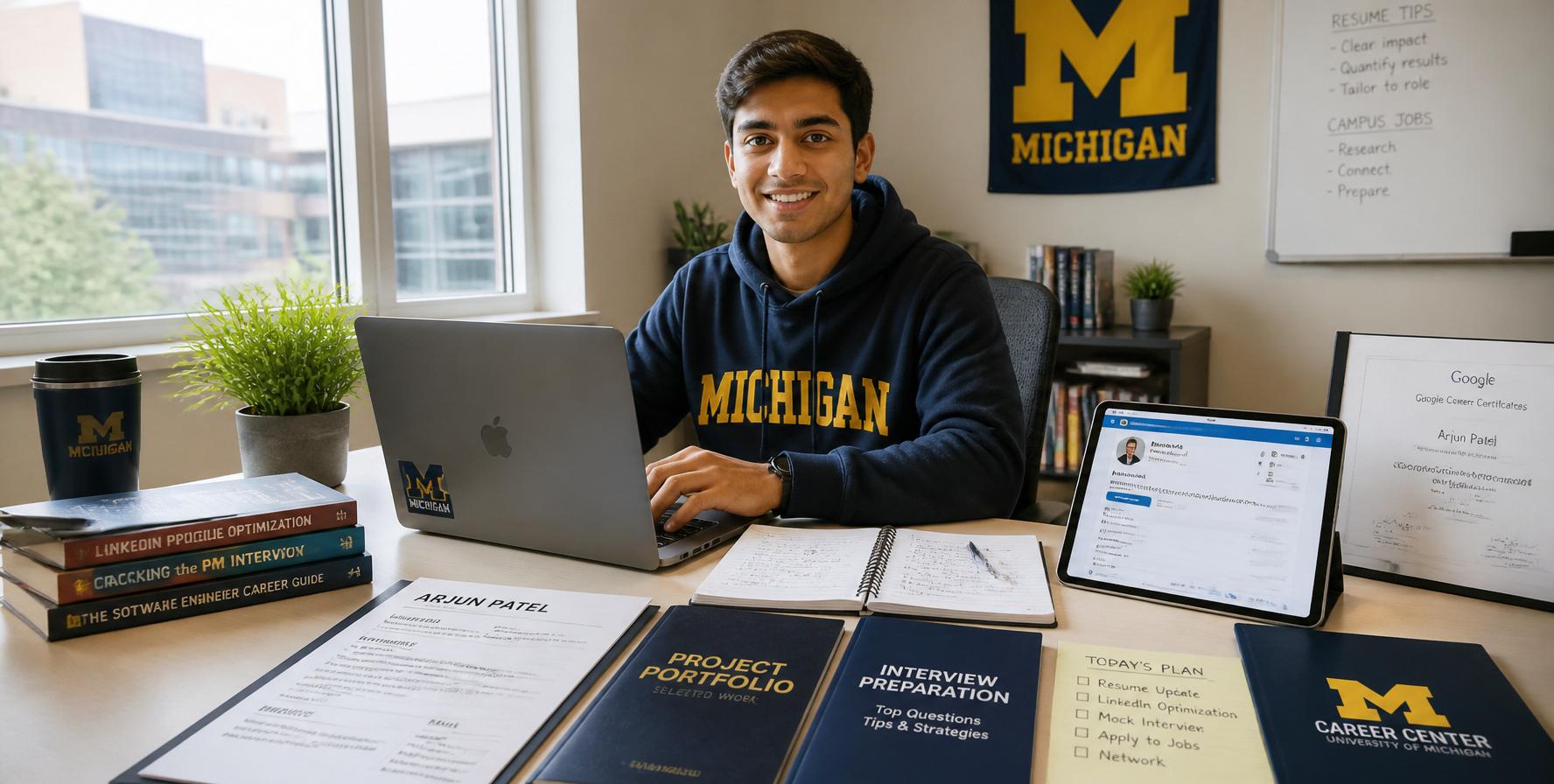
A campus job resume should be simple, professional, and easy to read. Include:
• Name and contact details
• Education
• Availability
• Technical and soft skills
• Previous work experience, if any
• Projects and internships
• Volunteering or student club activities
• Customer service or teamwork experience
If you do not have paid work experience, highlight academic projects, leadership roles, volunteering, or family business responsibilities that demonstrate responsibility and communication skills.
• Name and contact details
• Education
• Availability
• Technical and soft skills
• Previous work experience, if any
• Projects and internships
• Volunteering or student club activities
• Customer service or teamwork experience
If you do not have paid work experience, highlight academic projects, leadership roles, volunteering, or family business responsibilities that demonstrate responsibility and communication skills.
Balancing Work and Study
Remember that your primary purpose in the USA is to study. Part-time work should support your education, not affect it. A balanced weekly routine might include:
| Priority | Practical Habit |
|---|---|
| Classes | Attend lectures and labs regularly |
| Study | Set aside fixed time for assignments and exams |
| Work | Stay within the legal F-1 work-hour limits |
| Health | Get enough rest and avoid excessive shifts |
| Career | Improve your resume, LinkedIn, and skills each week |
| Compliance | Consult your DSO before changing your work plans |
Students who maintain a healthy balance between academics and work are better prepared for internships, OPT, and graduate job opportunities.
Common Mistakes to Avoid
Many students make avoidable mistakes that can affect both their academics and F-1 status. Be careful to avoid:
• Working off campus without proper authorization
• Exceeding the 20-hour weekly limit during the academic session
• Starting CPT or OPT before receiving approval
• Assuming freelance or online work is automatically allowed
• Accepting a job without consulting your DSO
• Depending on campus jobs to pay tuition fees
• Using the same resume for every application
• Ignoring classes or academic performance
• Waiting too long to apply for campus jobs
F-1 employment rules are strict. If you are unsure about any job or work opportunity, always check with your Designated School Official (DSO) before accepting it.
• Working off campus without proper authorization
• Exceeding the 20-hour weekly limit during the academic session
• Starting CPT or OPT before receiving approval
• Assuming freelance or online work is automatically allowed
• Accepting a job without consulting your DSO
• Depending on campus jobs to pay tuition fees
• Using the same resume for every application
• Ignoring classes or academic performance
• Waiting too long to apply for campus jobs
F-1 employment rules are strict. If you are unsure about any job or work opportunity, always check with your Designated School Official (DSO) before accepting it.
How Stack Learn Prepares Students Before They Fly

Stack Learn is an overseas education consultancy with a difference. We prepare students for life in the USA—not just university admissions and visa approval. For USA-bound students, Stack Learn supports:
• Realistic part-time work guidance
• Budget and financial planning
• F-1 work-rule awareness
• Resume and LinkedIn preparation
• Interview preparation
• Communication and workplace confidence
• CPT and OPT awareness
• Pre-departure career readiness
Our goal is to help students arrive in the USA with the knowledge, confidence, and preparation needed to study, work legally, and build a successful career.
• Realistic part-time work guidance
• Budget and financial planning
• F-1 work-rule awareness
• Resume and LinkedIn preparation
• Interview preparation
• Communication and workplace confidence
• CPT and OPT awareness
• Pre-departure career readiness
Our goal is to help students arrive in the USA with the knowledge, confidence, and preparation needed to study, work legally, and build a successful career.
Frequently Asked Questions
• How many hours can F-1 students work in the USA?
— Eligible F-1 students can generally work up to 20 hours per week on campus while classes are in session and may work full-time during approved university breaks.
• Can F-1 students work off campus?
— Yes, but only with proper authorization. Eligible options include CPT, OPT, STEM OPT, or other approved employment programs under USCIS regulations.
• Can part-time work cover my full USA study expenses?
— No. Part-time work can help with daily expenses like food, transport, and personal costs, but it should not be relied upon for tuition fees, proof of funds, or the full cost of living.
• Do F-1 students need a Social Security Number (SSN)?
— Yes. Students who receive authorized employment must apply for a Social Security Number (SSN). Your university and employer will guide you through the application process.
• Can I do freelance or online work on an F-1 visa?
— Do not assume freelance or online work is permitted. Always speak with your Designated School Official (DSO) before accepting any paid work to ensure it complies with F-1 regulations.
— Eligible F-1 students can generally work up to 20 hours per week on campus while classes are in session and may work full-time during approved university breaks.
• Can F-1 students work off campus?
— Yes, but only with proper authorization. Eligible options include CPT, OPT, STEM OPT, or other approved employment programs under USCIS regulations.
• Can part-time work cover my full USA study expenses?
— No. Part-time work can help with daily expenses like food, transport, and personal costs, but it should not be relied upon for tuition fees, proof of funds, or the full cost of living.
• Do F-1 students need a Social Security Number (SSN)?
— Yes. Students who receive authorized employment must apply for a Social Security Number (SSN). Your university and employer will guide you through the application process.
• Can I do freelance or online work on an F-1 visa?
— Do not assume freelance or online work is permitted. Always speak with your Designated School Official (DSO) before accepting any paid work to ensure it complies with F-1 regulations.
Conclusion
Part-time jobs in the USA can help international students earn extra income, gain valuable workplace experience, and develop professional skills. However, every job must follow F-1 employment rules. Understanding on-campus work, CPT, and OPT before starting any job is essential.
Stack Learn helps students prepare for every stage of the USA journey—from university selection and visa planning to budget guidance, pre-departure training, resume building, LinkedIn preparation, and career readiness. With the right preparation, students can make the most of both their education and work opportunities in the USA.
Stack Learn helps students prepare for every stage of the USA journey—from university selection and visa planning to budget guidance, pre-departure training, resume building, LinkedIn preparation, and career readiness. With the right preparation, students can make the most of both their education and work opportunities in the USA.