

Many international students choose the USA not only for its world-class education but also for the opportunity to gain work experience after graduation. For students on an F-1 visa, Optional Practical Training (OPT) provides eligible graduates with temporary work authorization in their field of study. Some STEM graduates may also qualify for a 24-month STEM OPT extension.
However, OPT does not guarantee employment. Students need the right skills, practical experience, networking, and early career planning to improve their job opportunities. This guide explains OPT and jobs in the USA after study in a simple, practical way for international students.
However, OPT does not guarantee employment. Students need the right skills, practical experience, networking, and early career planning to improve their job opportunities. This guide explains OPT and jobs in the USA after study in a simple, practical way for international students.
What Is OPT?
Optional Practical Training (OPT) allows eligible F-1 students to gain temporary work experience in the USA that is directly related to their field of study. Key points:
• Available for up to 12 months.
• Can be used before or after graduation, or a combination of both.
• Work must be directly related to your major.
• Requires approval from your Designated School Official (DSO) and USCIS.
• Students can begin work only after receiving the Employment Authorization Document (EAD).
OPT helps students gain valuable U.S. work experience, but they must follow all USCIS requirements
• Available for up to 12 months.
• Can be used before or after graduation, or a combination of both.
• Work must be directly related to your major.
• Requires approval from your Designated School Official (DSO) and USCIS.
• Students can begin work only after receiving the Employment Authorization Document (EAD).
OPT helps students gain valuable U.S. work experience, but they must follow all USCIS requirements
What Is STEM OPT?
Students with eligible STEM-designated degrees may qualify for a 24-month STEM OPT extension after completing their initial OPT. To qualify, students generally must:
• Be on valid post-completion OPT.
• Hold an eligible STEM degree from a SEVP-certified school.
• Work for an E-Verify employer.
• Submit Form I-765 and required STEM OPT documents on time.
STEM OPT provides additional time to gain professional experience, but eligibility depends on USCIS requirements.
• Be on valid post-completion OPT.
• Hold an eligible STEM degree from a SEVP-certified school.
• Work for an E-Verify employer.
• Submit Form I-765 and required STEM OPT documents on time.
STEM OPT provides additional time to gain professional experience, but eligibility depends on USCIS requirements.
OPT Timeline Students Should Know
OPT applications follow strict USCIS deadlines, so students should begin planning well before graduation. For Post-Completion OPT:
• Apply up to 90 days before completing your course.
• Apply no later than 60 days after course completion.
• File within 30 days of the DSO entering the OPT recommendation in SEVIS.
• Start working only after receiving your EAD.
For STEM OPT Extension:
• Apply before your current OPT expires.
• Submit the application up to 90 days before OPT ends.
• File within 60 days of the DSO entering the STEM OPT recommendation in SEVIS.
Early planning helps students avoid missing important USCIS deadlines.
• Apply up to 90 days before completing your course.
• Apply no later than 60 days after course completion.
• File within 30 days of the DSO entering the OPT recommendation in SEVIS.
• Start working only after receiving your EAD.
For STEM OPT Extension:
• Apply before your current OPT expires.
• Submit the application up to 90 days before OPT ends.
• File within 60 days of the DSO entering the STEM OPT recommendation in SEVIS.
Early planning helps students avoid missing important USCIS deadlines.
CPT vs OPT: What Is the Difference?
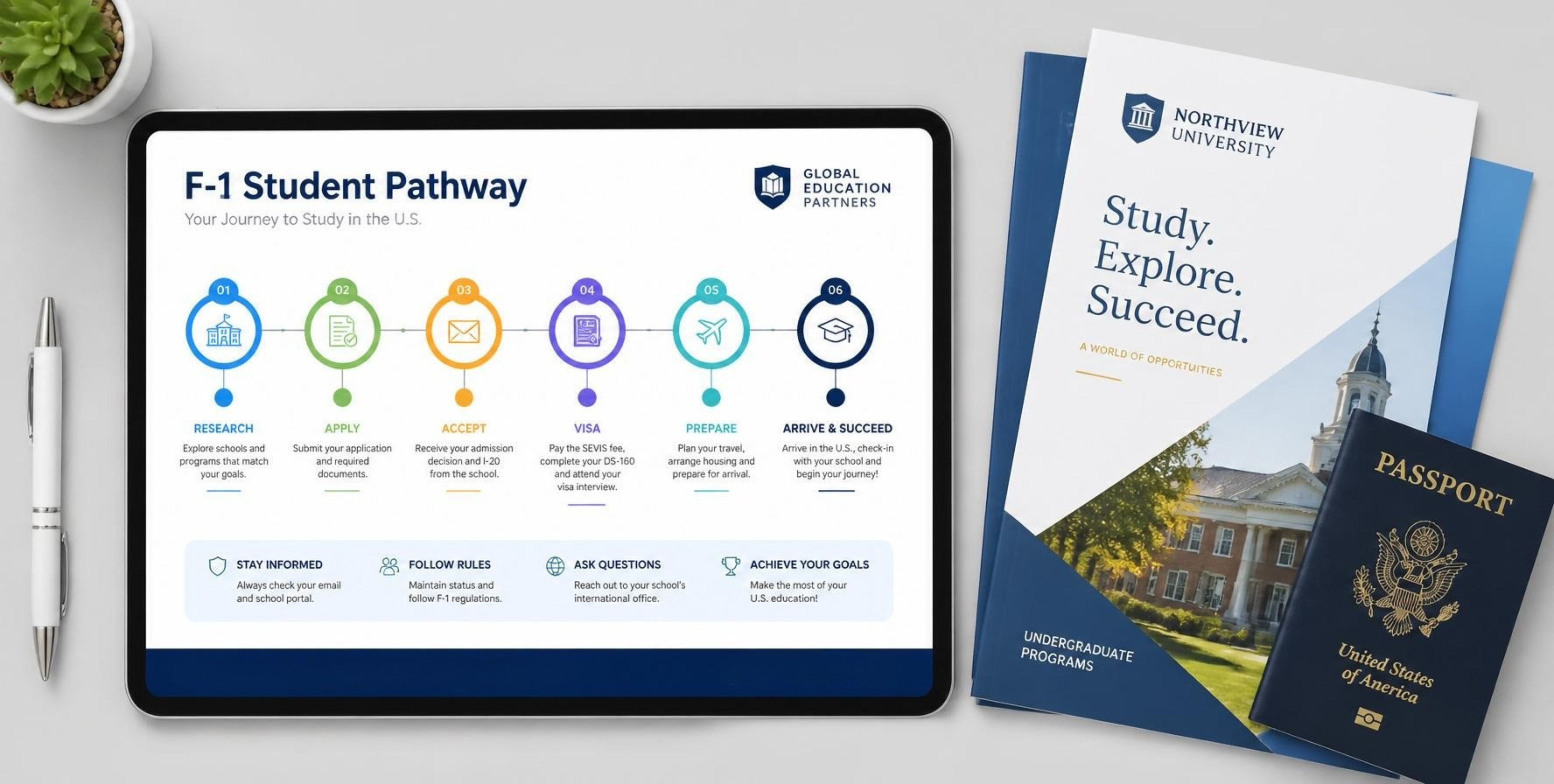
Both Curricular Practical Training (CPT) and Optional Practical Training (OPT) allow eligible F-1 students to gain work experience, but they serve different purposes. CPT is used during your studies and must be part of your academic program.
Key points:
• Used while studying.
• Must be directly connected to your curriculum.
• Approved by your Designated School Official (DSO).
• Can be part-time or full-time.
• One year or more of full-time CPT may affect OPT eligibility.
OPT is usually used after graduation and requires USCIS approval and an Employment Authorization Document (EAD). Students should understand both because CPT helps build internship experience during the course, while OPT supports professional work after graduation.
Key points:
• Used while studying.
• Must be directly connected to your curriculum.
• Approved by your Designated School Official (DSO).
• Can be part-time or full-time.
• One year or more of full-time CPT may affect OPT eligibility.
OPT is usually used after graduation and requires USCIS approval and an Employment Authorization Document (EAD). Students should understand both because CPT helps build internship experience during the course, while OPT supports professional work after graduation.
H-1B After OPT: Basic Understanding
Many international students aim to move from OPT or STEM OPT to an H-1B work visa. Key points:
• H-1B is an employer-sponsored work visa.
• The job must qualify as a specialty occupation.
• Most H-1B applications are subject to an annual lottery.
• The regular cap is 65,000, with an additional 20,000 visas for eligible U.S. master's degree holders.
• Selection and approval are not guaranteed.
• Eligible students may benefit from Cap-Gap provisions in certain situations.
H-1B is a possible next step after OPT, but it depends on employer sponsorship, eligibility, lottery selection, and USCIS approval.
• H-1B is an employer-sponsored work visa.
• The job must qualify as a specialty occupation.
• Most H-1B applications are subject to an annual lottery.
• The regular cap is 65,000, with an additional 20,000 visas for eligible U.S. master's degree holders.
• Selection and approval are not guaranteed.
• Eligible students may benefit from Cap-Gap provisions in certain situations.
H-1B is a possible next step after OPT, but it depends on employer sponsorship, eligibility, lottery selection, and USCIS approval.
Step 1: Choose a Course With Career Logic
Your career journey begins before you apply to a university. Before choosing a course, ask:
• What careers does this program lead to?
• Does it include projects or internships?
• Is the program eligible for STEM OPT, if relevant?
• Does it match your academic background?
• Are employers hiring international students in this field?
• Does the location offer good internship opportunities?
Choose a course that supports both your career goals and employability.
• What careers does this program lead to?
• Does it include projects or internships?
• Is the program eligible for STEM OPT, if relevant?
• Does it match your academic background?
• Are employers hiring international students in this field?
• Does the location offer good internship opportunities?
Choose a course that supports both your career goals and employability.
Step 2: Build Skills From Semester One
Employers value practical skills as much as your degree. Focus on building:
• Coding or technical projects
• Data dashboards or case studies
• Research or lab experience
• GitHub or design portfolio
• Cloud or technical certifications
• Leadership and communication skills
Strong skills and projects make you more competitive during the job search.
• Coding or technical projects
• Data dashboards or case studies
• Research or lab experience
• GitHub or design portfolio
• Cloud or technical certifications
• Leadership and communication skills
Strong skills and projects make you more competitive during the job search.
Step 3: Use CPT and Internships Wisely
If your program offers CPT, use it to gain real U.S. work experience before graduation. Prepare by:
• Attending career fairs
• Applying early for internships
• Building a role-specific resume
• Networking with alumni
• Preparing for interviews
• Completing CPT authorization before starting work
Internships help you build experience, confidence, and professional connections.
• Attending career fairs
• Applying early for internships
• Building a role-specific resume
• Networking with alumni
• Preparing for interviews
• Completing CPT authorization before starting work
Internships help you build experience, confidence, and professional connections.
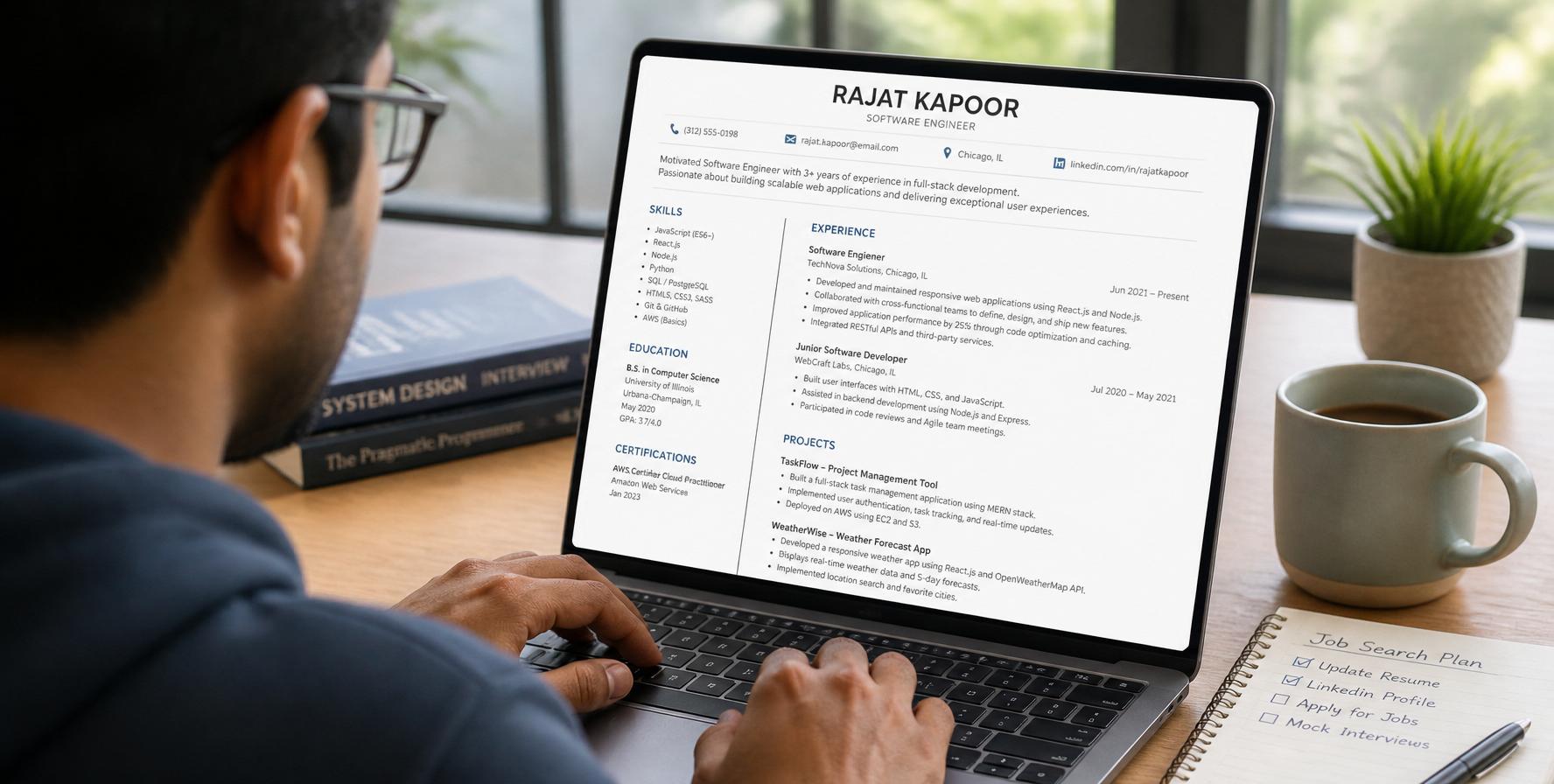
Step 4: Prepare a U.S.-Style Resume
Your resume should be clear, professional, and tailored to each job. Include:
• Relevant skills and technologies
• Projects and internships
• Measurable achievements
• Leadership activities
• Simple, ATS-friendly formatting
Avoid generic resumes and unnecessary personal information.
• Relevant skills and technologies
• Projects and internships
• Measurable achievements
• Leadership activities
• Simple, ATS-friendly formatting
Avoid generic resumes and unnecessary personal information.
Step 5: Build LinkedIn and Your Network
Networking is an important part of finding jobs in the USA. Students should:
• Connect with alumni
• Follow target companies
• Attend career events
• Share projects on LinkedIn
• Join student and professional groups
• Speak with recruiters and professionals
Building relationships early can create more career opportunities
• Connect with alumni
• Follow target companies
• Attend career events
• Share projects on LinkedIn
• Join student and professional groups
• Speak with recruiters and professionals
Building relationships early can create more career opportunities
Step 6: Apply Strategically
A structured job search produces better results.
| Stage | Action |
|---|---|
| Target Roles | Choose 2–3 suitable job categories |
| Resume | Create role-specific versions |
| Applications | Track jobs and follow-ups |
| Networking | Connect with alumni and recruiters |
| Interview Prep | Practice technical and behavioural questions |
| Work Authorization | Clearly explain your OPT and sponsorship status |
Quality applications are more effective than applying randomly.
Step 7: Prepare for Interviews
Graduate interviews may include:
• Behavioural questions
• Technical or coding rounds
• Case studies
• Portfolio reviews
• Communication and teamwork assessment
• Work authorization discussions
Be prepared to explain your F-1 visa, OPT, and future work authorization professionally and confidently.
• Behavioural questions
• Technical or coding rounds
• Case studies
• Portfolio reviews
• Communication and teamwork assessment
• Work authorization discussions
Be prepared to explain your F-1 visa, OPT, and future work authorization professionally and confidently.
Fields With Strong Career Interest
The U.S. job market changes over time, so students should always check current employer demand before choosing a course. Some high-demand fields include:
• Software Development
• Data Science and Analytics
• Cybersecurity
• Artificial Intelligence
• Cloud Computing
• Healthcare and Health Management
• Engineering
• Supply Chain and Logistics
• Finance and Business Analytics
Choose a field that matches your background, skills, and long-term career goals.
• Software Development
• Data Science and Analytics
• Cybersecurity
• Artificial Intelligence
• Cloud Computing
• Healthcare and Health Management
• Engineering
• Supply Chain and Logistics
• Finance and Business Analytics
Choose a field that matches your background, skills, and long-term career goals.
Common Mistakes Students Make
Avoid these mistakes:
• Waiting until graduation to prepare for jobs
• Assuming OPT guarantees employment
• Ignoring CPT and OPT rules
• Starting work without authorization
• Using one generic resume for every job
• Not building projects or internships
• Ignoring LinkedIn and networking
• Skipping interview preparation
• Assuming H-1B sponsorship is automatic
Early preparation gives students a much stronger advantage.
• Waiting until graduation to prepare for jobs
• Assuming OPT guarantees employment
• Ignoring CPT and OPT rules
• Starting work without authorization
• Using one generic resume for every job
• Not building projects or internships
• Ignoring LinkedIn and networking
• Skipping interview preparation
• Assuming H-1B sponsorship is automatic
Early preparation gives students a much stronger advantage.
How Stack Learn Helps With USA Career Readiness

Stack Learn supports students throughout their USA journey, not just with admissions. We help with:
• Course and career planning
• University shortlisting
• Visa and budget guidance
• CPT and OPT awareness
• Resume and LinkedIn preparation
• Interview coaching
• Skill and project planning
• Pre-departure career readiness
Our goal is to help students become confident, well-prepared, and job-ready before they begin their studies in the USA.
• Course and career planning
• University shortlisting
• Visa and budget guidance
• CPT and OPT awareness
• Resume and LinkedIn preparation
• Interview coaching
• Skill and project planning
• Pre-departure career readiness
Our goal is to help students become confident, well-prepared, and job-ready before they begin their studies in the USA.
Frequently Asked Questions
• What is OPT for F-1 students?
— OPT allows eligible F-1 students to gain temporary work experience in the USA that is directly related to their field of study. Most students can receive up to 12 months of OPT at each education level.
• What is STEM OPT?
— STEM OPT is a 24-month extension available to eligible students with STEM-designated degrees who meet USCIS and employer requirements.
• Can I work before my OPT is approved?
— No. Students can begin working only after USCIS approves the application and they receive their Employment Authorization Document (EAD).
• Does OPT guarantee a job in the USA?
— No. OPT provides work authorization, but getting a job depends on your skills, projects, internships, networking, interview performance, and employer hiring decisions.
• Is H-1B guaranteed after OPT?
— No. H-1B requires employer sponsorship and depends on eligibility, lottery selection (where applicable), and USCIS approval.
— OPT allows eligible F-1 students to gain temporary work experience in the USA that is directly related to their field of study. Most students can receive up to 12 months of OPT at each education level.
• What is STEM OPT?
— STEM OPT is a 24-month extension available to eligible students with STEM-designated degrees who meet USCIS and employer requirements.
• Can I work before my OPT is approved?
— No. Students can begin working only after USCIS approves the application and they receive their Employment Authorization Document (EAD).
• Does OPT guarantee a job in the USA?
— No. OPT provides work authorization, but getting a job depends on your skills, projects, internships, networking, interview performance, and employer hiring decisions.
• Is H-1B guaranteed after OPT?
— No. H-1B requires employer sponsorship and depends on eligibility, lottery selection (where applicable), and USCIS approval.
Conclusion
OPT gives international students the opportunity to gain valuable work experience in the USA, but success depends on much more than work authorization. Choosing the right course, building practical skills, gaining internship experience, networking, and preparing early all play an important role.
Stack Learn helps students prepare for the complete USA journey—from university selection and visa planning to career readiness, resume building, LinkedIn preparation, and interview support. If your goal is to build a successful career in the USA, start planning before you graduate.
Stack Learn helps students prepare for the complete USA journey—from university selection and visa planning to career readiness, resume building, LinkedIn preparation, and interview support. If your goal is to build a successful career in the USA, start planning before you graduate.