

Ireland has become a popular destination for international students because of its growing job market, global companies, and post-study work opportunities for eligible graduates. Industries such as technology, business, finance, engineering, healthcare, and pharmaceuticals continue to attract skilled professionals from around the world.
However, getting a job in Ireland after study is not guaranteed. Students who prepare early by choosing the right course, building practical skills, gaining experience, and networking often have better career opportunities after graduation. This guide explains how international students can prepare for jobs in Ireland after study, understand post-study work options, and improve their chances of finding graduate employment.
However, getting a job in Ireland after study is not guaranteed. Students who prepare early by choosing the right course, building practical skills, gaining experience, and networking often have better career opportunities after graduation. This guide explains how international students can prepare for jobs in Ireland after study, understand post-study work options, and improve their chances of finding graduate employment.
Understand the Post-Study Work Route First
Before planning your career, it is important to understand the post-study work options available in Ireland. Eligible non-EEA graduates may be able to stay in Ireland under the Third Level Graduate Programme after completing a recognised qualification. This gives graduates time to look for graduate-level jobs and, where eligible, move to an employment permit.
Key points to know:
• Level 8 graduates may receive permission for up to 12 months.
• Level 9 or higher graduates may receive 12 months initially, with a possible extension for a further 12 months, subject to current rules
• graduates usually need a valid Stamp 2 permission and an up-to-date Irish Residence Permit (IRP)
• applications should be made within the official timeframe after course completion
• graduates should always check the latest immigration rules before making career plans
Key points to know:
• Level 8 graduates may receive permission for up to 12 months.
• Level 9 or higher graduates may receive 12 months initially, with a possible extension for a further 12 months, subject to current rules
• graduates usually need a valid Stamp 2 permission and an up-to-date Irish Residence Permit (IRP)
• applications should be made within the official timeframe after course completion
• graduates should always check the latest immigration rules before making career plans
What Stamp 1G Means for Graduates
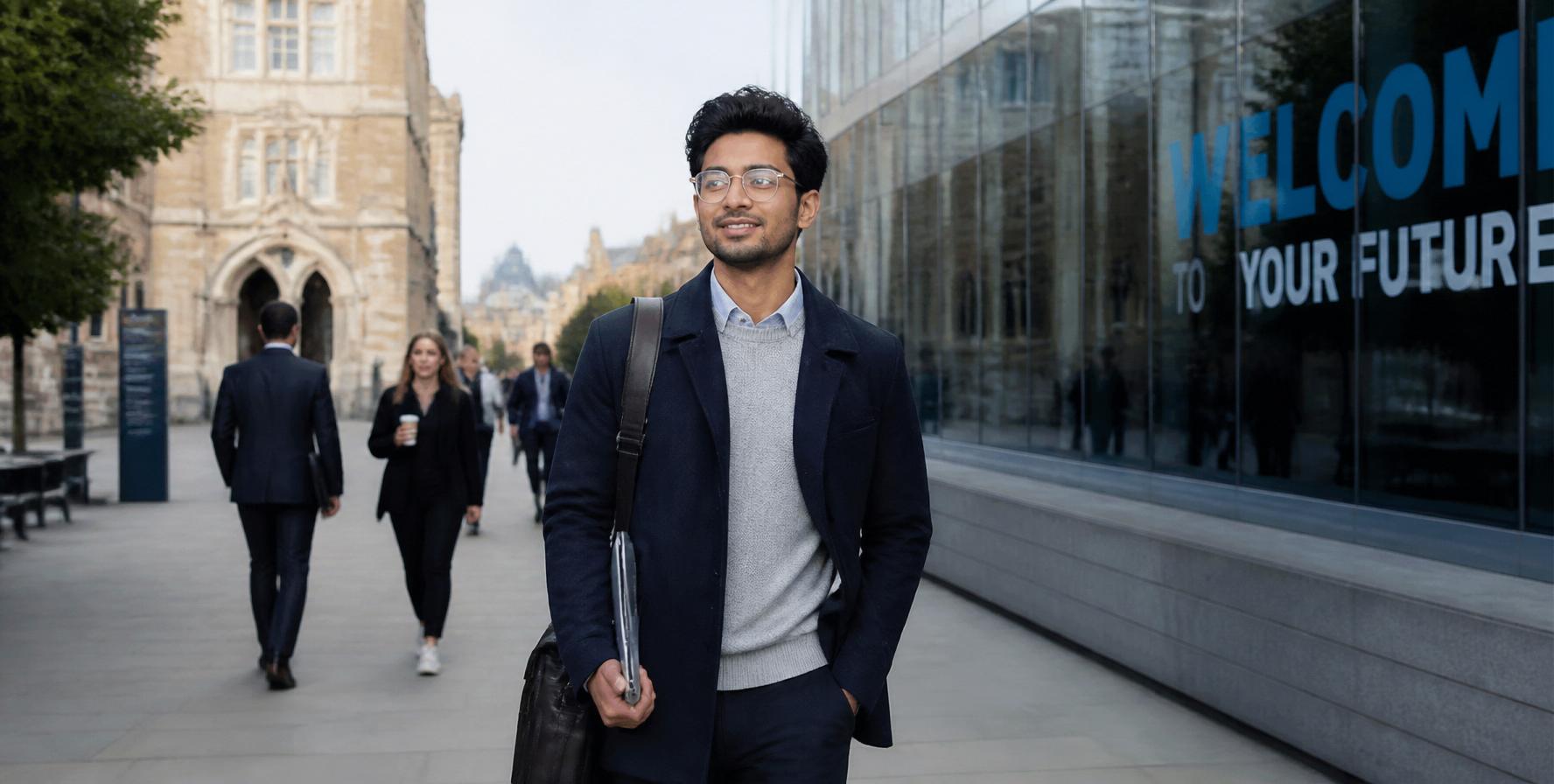
After completing an eligible course, many international students move from Stamp 2 to Stamp 1G permission. Stamp 1G gives eligible graduates time to:
• search for graduate jobs
• attend interviews
• gain Irish work experience
• apply for eligible employment permits
• build a long-term career in Ireland
Stamp 1G is a temporary graduate permission, not a permanent work visa. Students should use this period to secure suitable employment and plan their next immigration step.
• search for graduate jobs
• attend interviews
• gain Irish work experience
• apply for eligible employment permits
• build a long-term career in Ireland
Stamp 1G is a temporary graduate permission, not a permanent work visa. Students should use this period to secure suitable employment and plan their next immigration step.
Employment Permits After Stamp 1G
Graduates who want to continue working in Ireland after their graduate permission may need an employment permit, depending on their circumstances. One of the most common routes is the Critical Skills Employment Permit, which supports skilled professionals working in eligible occupations.
To qualify, students generally need:
• a job offer from an eligible employer in Ireland
• an occupation or salary that meets current permit requirements
• relevant qualifications and skills
• a job offer that meets the required employment conditions
Students who do not qualify for the Critical Skills route may be eligible for a General Employment Permit, depending on the job and employer. Before accepting a job offer, always check the latest employment permit rules, eligible occupations, salary requirements, and employer obligations.
To qualify, students generally need:
• a job offer from an eligible employer in Ireland
• an occupation or salary that meets current permit requirements
• relevant qualifications and skills
• a job offer that meets the required employment conditions
Students who do not qualify for the Critical Skills route may be eligible for a General Employment Permit, depending on the job and employer. Before accepting a job offer, always check the latest employment permit rules, eligible occupations, salary requirements, and employer obligations.
Step 1: Choose a Course With Career Opportunities
Finding jobs in Ireland after study starts with choosing the right course. Your programme should match your academic background, career interests, and future job goals. Before applying, ask yourself:
• What careers can this course lead to?
• Are these jobs available in Ireland?
• Does the course include projects, internships, or industry exposure?
• Will I gain practical skills employers are looking for?
• Does the course require professional registration or licensing?
• Is the university located near major employers or business hubs?
Choosing the right course early can improve both your career prospects and your post-study opportunities.
• What careers can this course lead to?
• Are these jobs available in Ireland?
• Does the course include projects, internships, or industry exposure?
• Will I gain practical skills employers are looking for?
• Does the course require professional registration or licensing?
• Is the university located near major employers or business hubs?
Choosing the right course early can improve both your career prospects and your post-study opportunities.
Step 2: Build Skills From Your First Semester
A degree alone is rarely enough. Employers in Ireland look for students who can apply their knowledge in real situations. Build practical skills through:
• academic projects
• internships or placements
• programming and technical projects
• business case studies
• research or laboratory work
• cloud, cybersecurity, or analytics certifications
• design portfolios or marketing campaigns, depending on your field
Strong projects and practical experience can make your CV stand out.
• academic projects
• internships or placements
• programming and technical projects
• business case studies
• research or laboratory work
• cloud, cybersecurity, or analytics certifications
• design portfolios or marketing campaigns, depending on your field
Strong projects and practical experience can make your CV stand out.
Step 3: Prepare an Ireland-Ready CV

A good CV can make a big difference when applying for graduate jobs in Ireland. Keep your CV:
• short and well organised
• tailored for each job
• focused on achievements instead of duties
• filled with relevant technical and soft skills
• supported by projects and measurable results
• ATS-friendly with a simple layout
Instead of writing: > Worked on a data project.
Write something more specific, such as: > Built a Power BI dashboard using Excel and SQL data to analyse regional sales performance.
Specific examples help employers understand your skills.
• short and well organised
• tailored for each job
• focused on achievements instead of duties
• filled with relevant technical and soft skills
• supported by projects and measurable results
• ATS-friendly with a simple layout
Instead of writing: > Worked on a data project.
Write something more specific, such as: > Built a Power BI dashboard using Excel and SQL data to analyse regional sales performance.
Specific examples help employers understand your skills.
Step 4: Build Your LinkedIn Profile Early
LinkedIn is one of the best tools for finding jobs in Ireland after graduation. Many employers, recruiters, and university alumni actively use it. Use LinkedIn to:
• follow companies you're interested in
• connect with alumni
• explore graduate job openings
• share projects and certifications
• learn about industry trends
• attend networking events
• build professional connections
Networking is about learning and building relationships, not simply asking for jobs.
• follow companies you're interested in
• connect with alumni
• explore graduate job openings
• share projects and certifications
• learn about industry trends
• attend networking events
• build professional connections
Networking is about learning and building relationships, not simply asking for jobs.
Step 5: Gain Work Experience During Your Studies
Eligible students can work part-time within their student permission limits. Along with earning extra income, work experience helps build valuable workplace skills. Look for opportunities such as:
• internships
• university placements
• volunteering
• research assistant roles
• student leadership positions
• hackathons and competitions
• campus jobs
• career workshops
Even if your first job is outside your chosen career, it can improve communication, teamwork, and confidence.
• internships
• university placements
• volunteering
• research assistant roles
• student leadership positions
• hackathons and competitions
• campus jobs
• career workshops
Even if your first job is outside your chosen career, it can improve communication, teamwork, and confidence.
Step 6: Apply for Jobs Strategically
Applying to hundreds of jobs with the same CV rarely works. A focused job search is usually more effective.
| Stage | What to Do |
|---|---|
| Choose job roles | Focus on two or three career paths |
| Match your skills | Compare job descriptions with your experience |
| Tailor your CV | Update your CV for each type of role |
| Research employers | Create a list of companies hiring graduates |
| Apply consistently | Apply, network, and follow up every week |
| Prepare interviews | Practice technical and behavioural questions |
| Review progress | Improve your strategy every few weeks |
Treat your job search like a project with clear goals and regular progress.
Step 7: Prepare for Graduate Interviews
Graduate interviews in Ireland often focus on both technical skills and personal qualities. Be ready to discuss:
• why you want the role
• your academic projects
• internships or work experience
• teamwork and communication
• problem-solving skills
• knowledge of the company
• your career goals
• your work permission or Stamp 1G status, if relevant
Using the STAR method (Situation, Task, Action, Result) can help you give clear and structured interview answers.
• why you want the role
• your academic projects
• internships or work experience
• teamwork and communication
• problem-solving skills
• knowledge of the company
• your career goals
• your work permission or Stamp 1G status, if relevant
Using the STAR method (Situation, Task, Action, Result) can help you give clear and structured interview answers.
High-Opportunity Career Areas in Ireland
Ireland offers career opportunities across several growing industries. Many international students choose courses that prepare them for roles in areas such as:
• software development
• data analytics and data science
• cybersecurity
• cloud computing
• pharmaceuticals and biotechnology
• finance and accounting
• business analytics
• supply chain and logistics
• engineering
• healthcare and allied health (subject to registration requirements)
• digital marketing and product management
When choosing a course, don't focus only on what is popular. Make sure it matches your academic background, skills, career goals, and future work opportunities in Ireland.
• software development
• data analytics and data science
• cybersecurity
• cloud computing
• pharmaceuticals and biotechnology
• finance and accounting
• business analytics
• supply chain and logistics
• engineering
• healthcare and allied health (subject to registration requirements)
• digital marketing and product management
When choosing a course, don't focus only on what is popular. Make sure it matches your academic background, skills, career goals, and future work opportunities in Ireland.
Common Mistakes Students Make
Many students reduce their chances of finding jobs in Ireland after study by making avoidable mistakes. Common ones include:
• assuming a degree guarantees a job
• waiting until graduation to start job hunting
• using the same CV for every application
• ignoring LinkedIn and alumni networking
• not understanding Stamp 1G or employment permit options
• choosing a course without a clear career plan
• relying only on part-time work experience
• attending interviews without preparation
Career success starts long before graduation. The earlier you prepare, the stronger your opportunities after study.
• assuming a degree guarantees a job
• waiting until graduation to start job hunting
• using the same CV for every application
• ignoring LinkedIn and alumni networking
• not understanding Stamp 1G or employment permit options
• choosing a course without a clear career plan
• relying only on part-time work experience
• attending interviews without preparation
Career success starts long before graduation. The earlier you prepare, the stronger your opportunities after study.
How Stack Learn Helps Students Build Their Careers

Stack Learn is an overseas education consultancy with a difference. Our support continues beyond admission and visa approval. For students planning to study in Ireland, we help with:
• course and career planning
• university shortlisting
• visa and budget guidance
• pre-departure preparation
• UK and Ireland-style CV preparation
• LinkedIn profile optimisation
• interview preparation
• graduate job-search strategy
• post-study work pathway guidance
Our goal is simple—to help students become confident, career-ready, and prepared for life after graduation, not just for university admission.
• course and career planning
• university shortlisting
• visa and budget guidance
• pre-departure preparation
• UK and Ireland-style CV preparation
• LinkedIn profile optimisation
• interview preparation
• graduate job-search strategy
• post-study work pathway guidance
Our goal is simple—to help students become confident, career-ready, and prepared for life after graduation, not just for university admission.
Frequently Asked Questions
Can international students stay in Ireland after graduation?
— Eligible graduates may apply under the Third Level Graduate Programme, subject to course level, permission status, timing, and current rules.
How long can graduates stay in Ireland after study?
— Official guidance says eligible Level 8 graduates may receive up to 12 months, while eligible Level 9 or above graduates may receive 12 months initially with a possible further 12 months subject to conditions.
Does Stamp 1G allow full-time work?
— Stamp 1G generally allows eligible graduates to work full time under employment law, but it does not allow self-employment or operating a business.
Is getting a job in Ireland guaranteed after study?
— No. Jobs depend on skills, course relevance, work experience, communication, market conditions, employer needs, and immigration requirements.
What should students do before graduation?
— Students should build an Ireland-ready CV, improve LinkedIn, complete projects, network with alumni, attend career events, apply strategically, and understand post-study work rules.
— Eligible graduates may apply under the Third Level Graduate Programme, subject to course level, permission status, timing, and current rules.
How long can graduates stay in Ireland after study?
— Official guidance says eligible Level 8 graduates may receive up to 12 months, while eligible Level 9 or above graduates may receive 12 months initially with a possible further 12 months subject to conditions.
Does Stamp 1G allow full-time work?
— Stamp 1G generally allows eligible graduates to work full time under employment law, but it does not allow self-employment or operating a business.
Is getting a job in Ireland guaranteed after study?
— No. Jobs depend on skills, course relevance, work experience, communication, market conditions, employer needs, and immigration requirements.
What should students do before graduation?
— Students should build an Ireland-ready CV, improve LinkedIn, complete projects, network with alumni, attend career events, apply strategically, and understand post-study work rules.
Conclusion
Getting a job in Ireland after study requires more than a degree. Students need the right course, strong skills, local experience, a clear CV, networking, interview practice, and accurate knowledge of Stamp 1G and employment permit pathways.
Stack Learn helps students plan the full journey from admission to employability. If Ireland is your target, speak with Stack Learn for course selection, visa planning, pre-departure support, and career-readiness preparation.
Stack Learn helps students plan the full journey from admission to employability. If Ireland is your target, speak with Stack Learn for course selection, visa planning, pre-departure support, and career-readiness preparation.